Most travellers plan their safari for the dry season, from around June to October. But the green months — roughly November to May — have a quiet magic of their own, and many of our guides would choose them for their own trips.
What is the green season?
Tanzania has two rainy periods: the short rains, usually around November and December, and the long rains, usually from around late March to May. Outside the long rains, showers tend to be short and are often followed by bright sunshine.
Five reasons to go
- Fewer vehicles: popular sightings are shared with far fewer people.
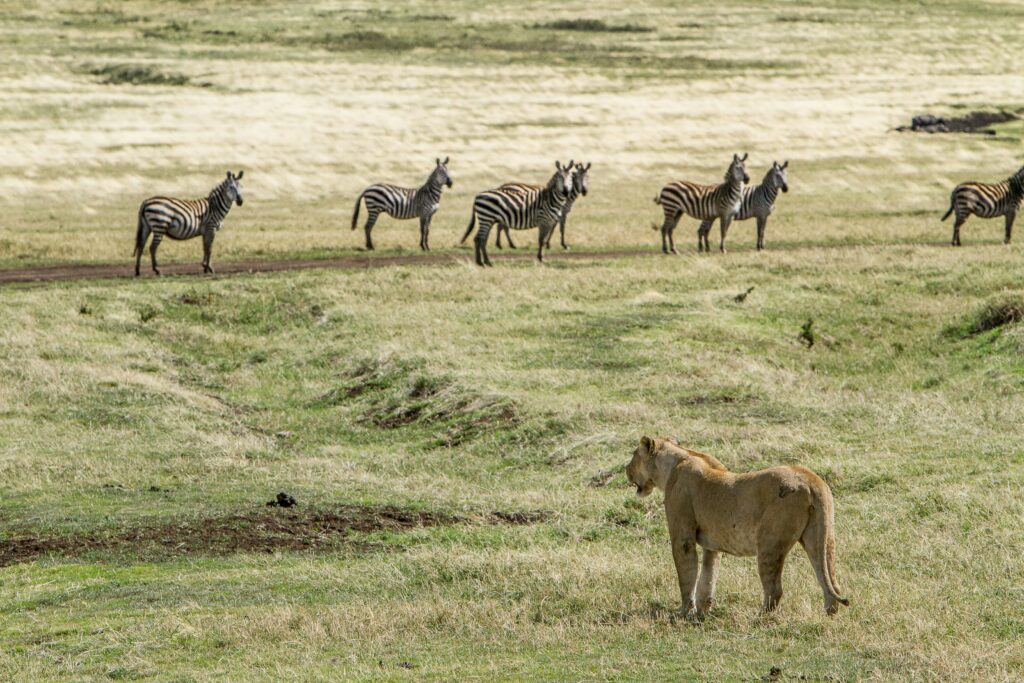
- Lush landscapes: the plains turn green and the dust settles.
- Newborn animals: calving season in the southern Serengeti peaks around February.
- Birdlife: migratory birds arrive and many species are in breeding colours.
- Better value: many camps and lodges offer lower green-season rates.
What to keep in mind
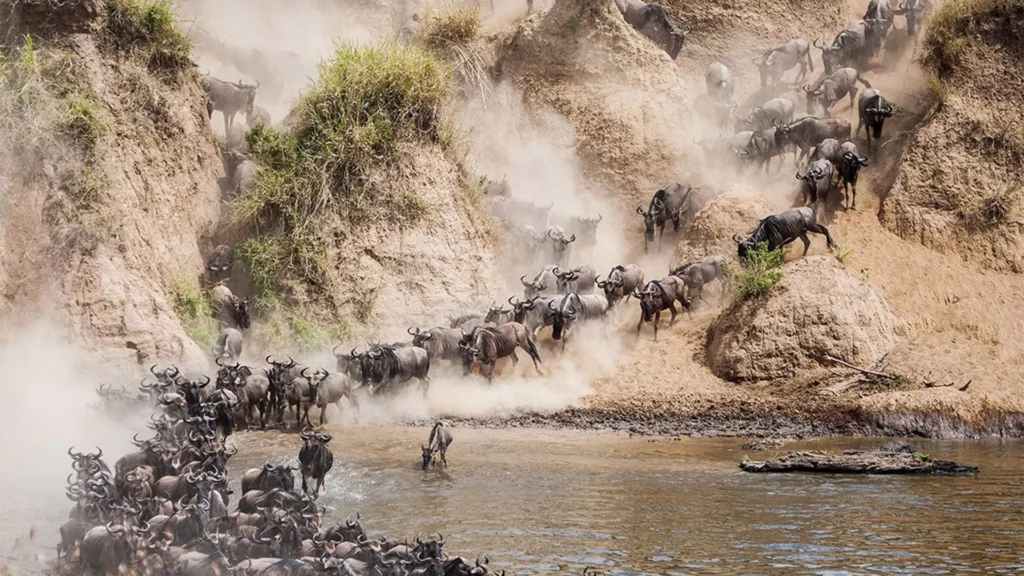
During the long rains, some roads become muddy and a few seasonal camps close. Wildlife can be more spread out because water is easy to find. A good guide and a flexible plan make all the difference, and the short-rains months and January–February are often the sweet spot.
What to pack
- A light waterproof jacket.
- Quick-drying layers and comfortable walking shoes.
- Insect repellent, and advice from your doctor about malaria prevention.
- A rain cover for your camera bag.
If you are flexible with your dates, the green season can offer a more personal and peaceful safari. We are happy to help you choose the right month.